By embracing CPC bidding models and leveraging Google’s suite of advertising tools, hotels can position themselves for success in a post-cookie era while maintaining a commitment to user privacy and driving revenue growth.

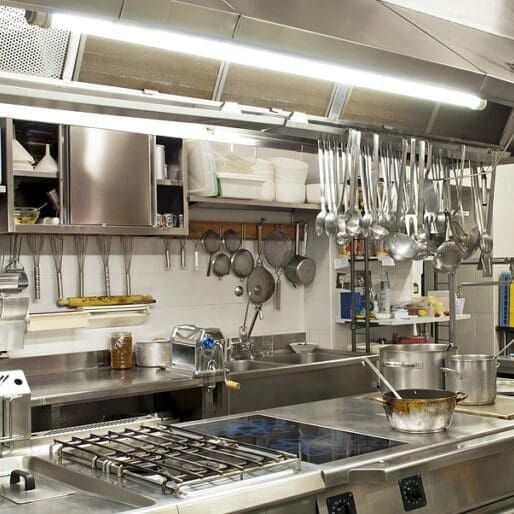
How to design an efficient hotel kitchen
This guide will walk you through the essential steps to create a kitchen that meets the demands of a busy hotel environment, focusing on simplicity and functionality.
Transform your hotel’s revenue in two years or less with this guide to revenue management
Managing a profitable hotel requires a careful eye on your inventory. You don’t want to sell your rooms too early at reduced rates because such spillage can drain your revenue. However, spoilage, overbooking, and overselling can also wreck your profits.
Rostering as a strategic asset for tomorrow’s hotel management
Rostering staff in tourism and hospitality can be complex, due to the variety of working hours, shifts, award conditions and staff budgets The future belongs to those who recognize the transformative potential of rostering in elevating guest experiences, optimizing operational efficiency, and driving financial performance.

Checking in at Fairmont Banff Springs and the luxury trend for more intimate guestrooms
We take a closer look at a property that has leveraged the global trend that’s accelerated in the post-pandemic era centered around the ‘price inelastic yet experience elastic’ hotel consumer.

Retail revolution: Driving revenue beyond room rates
Retail can produce up to 45%-65% profit and even the smallest space can produce revenue that will increase the bottom line.

Preparing for the unexpected: Best practices for crisis management in the hotel industry
Crisis management for your hotel doesn’t need to be overly complex, but it benefits from some focused effort. It helps you to navigate the unexpected better while keeping your staff and guests safe and satisfied.

Understanding the difference between material and immaterial expenses
The materiality refers to the significance of the expense item in the context of the financial statements. Our industry is unique in many ways and so is the application of this contrast.

Proactively ensuring regulatory compliance for hotel managers
By prioritising compliance, we uphold guest safety, mitigate risks, protect our hotel’s reputation, and contribute to environmental sustainability. Compliance also ensures a fair and inclusive workplace, strengthens our legal and professional standing, and fosters a culture of excellence and trust within our organisation.

Sense of community as a growth strategy
When a hotel does in fact go through the meticulous process of creating a strong sense of community, the results are nothing short of magical, and this is reflected through a positive impact on guest satisfaction, demand and the ability to grow rate.