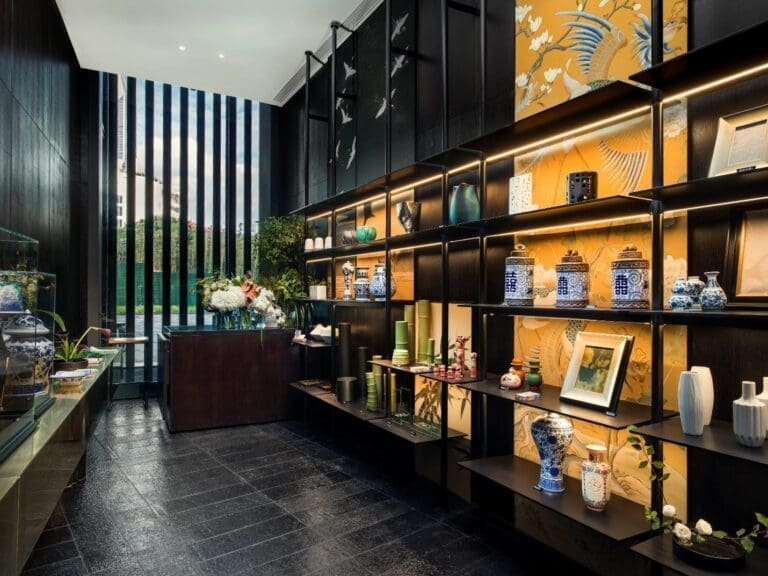
‘Houses Not Hotels’ is the bold tagline for The House Collective, a three-property Chinese urban luxury brand with locations in Chengdu, Hong Kong and Shanghai. More than just a tagline, this motto forms the core of the brand DNA and culture that echo through to every single amenity and guest interaction.
What we learn in hospitality is that the best brands are hyper-focused on attention to detail as a means of fulfilling the promise of personalized service. Particularly now where there’s an inordinate amount of choice and a sea of channels by explore new hotels, it’s critical to be innovative in the experiential design while still never losing sight of what forms the very core of the travel industry: making people feel at home.
That’s why having a strong, aspirational culture and principles to stand by are so important so that every team member can reflect these values. This is a special case where we were able to rally all three general managers for The House Collective to discuss what makes them special, how they reflect not just the country but each city’s deep heritage and what they have planned now that inbound travel is returning following the unveiling of visa-free travel to China.
Joining us are:

- Kristina Snaith-Lense, General Manager of The Upper House in Hong Kong
- Olivier Dumonceaux, General Manager of The Middle House in Shanghai
- Christian Kronast, General Manager of The Temple House in Chengdu
Each GM brings a different perspective on their respective properties, with each of their backgrounds offering a distinct lens by which to help guests see the best of each destination. And that of itself speaks to another powerful element of hospitality: bringing people together from around the world for shared and cocreated experiences.
And that’s what we remark as the primary takeaway from each of these Houses. The future of bespoke luxury travel is not just sense of place; exquisite facilities, outstanding décor and personalized service; it’s doing all these things in a unified, cohesive manner to allow guests to discover a destination while also revealing a new part of themselves in the process. Let’s hear what the master of each House has to say!
Start with a few sentences on your industry background and your vision for luxury hospitality.
Snaith-Lense: As a fourth-generation Hong Kong native and lifelong hotelier, hospitality runs through my veins. I began my journey at the Grand Hyatt, immersing myself in every corner of the business, starting humbly as a bellhop and learning what true service means from the ground up. Today, my vision for luxury at The Upper House is rooted in intimacy, authenticity and emotional connection. We’re not just offering a five-star stay; we’re creating a sanctuary of calm in the heart of the city, where every detail is designed to make guests feel effortlessly at home, yet quietly indulged.
Dumonceaux: I’ve spent nearly 11 years growing with The House Collective, each chapter unfolding in a new city with its own energy and rhythm. My journey began at The Temple House in Chengdu, where I led the restaurants and bars before stepping into the role of Executive Assistant Manager. From there, I took the reins as General Manager at The Opposite House in Beijing, and now I’m proud to be at the helm of The Middle House in Shanghai. With a deep-rooted understanding of the Houses and the vibrant tapestry of Chinese Mainland culture, my vision is to shape an experience that captures the pulse of contemporary Shanghai – where art, fashion and innovation collide in the most inspiring ways.
Kronast: My hospitality journey began in the heart of Bavaria at a grand luxury hotel where I first discovered the magic of impeccable service. From there, I stepped into a range of leadership roles within InterContinental Hotels Group, honing my expertise in Food & Beverage before leading the preopening of two Crowne Plaza properties in Oman and Indonesia as General Manager. Now at The Temple House, my vision is to craft an experience where contemporary luxury flows effortlessly with the cultural richness of Chengdu.
What property features and experiences make your respective House unique?
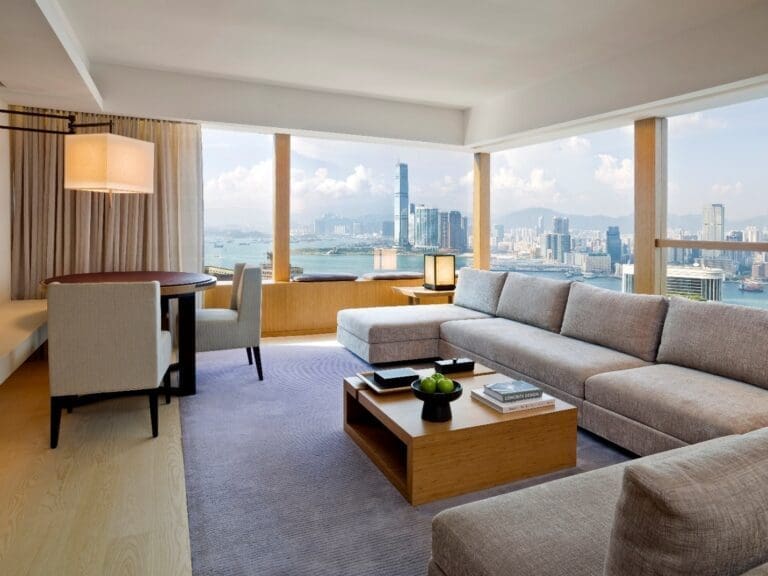
Snaith-Lense: Our House is a peaceful retreat above the city, where nature-inspired design creates the perfect mix of calm and sophistication. From serene suites and a stunning art collection to wellness residences and intuitive service, everything is designed to make guests feel at home and keep them coming back!
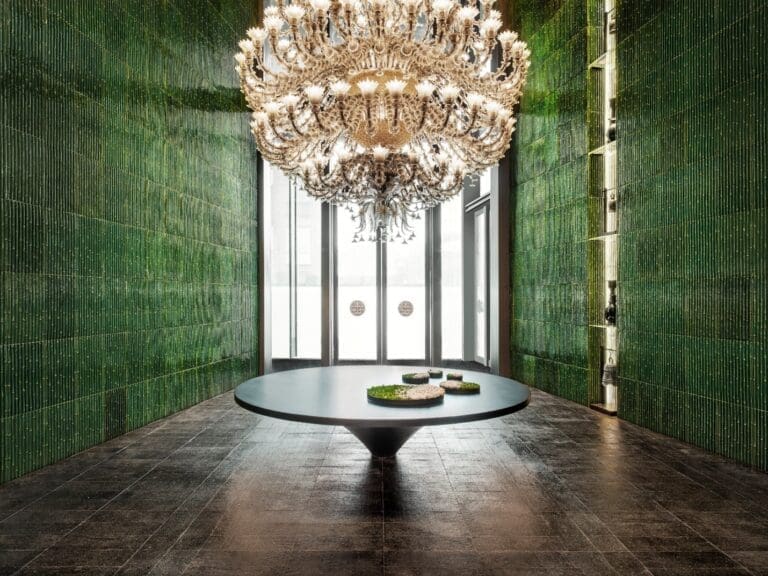
Dumonceaux: The Middle House is where Shanghai cool meets Milanese flair. The property grabs your attention as soon as you walk in with an amazing six-meter-high chandelier made from 3,760 pieces of Murano glass. Designed by architect Piero Lissoni, the House blends sleek Italian minimalism with intricate Chinese elements, coming to life with art-filled spaces inspired by the theme ‘I Dream of China’. Nestled between the historic charm of Dazhongli and the buzz of Jing’an, it offers the best of both worlds – heritage and haute energy.
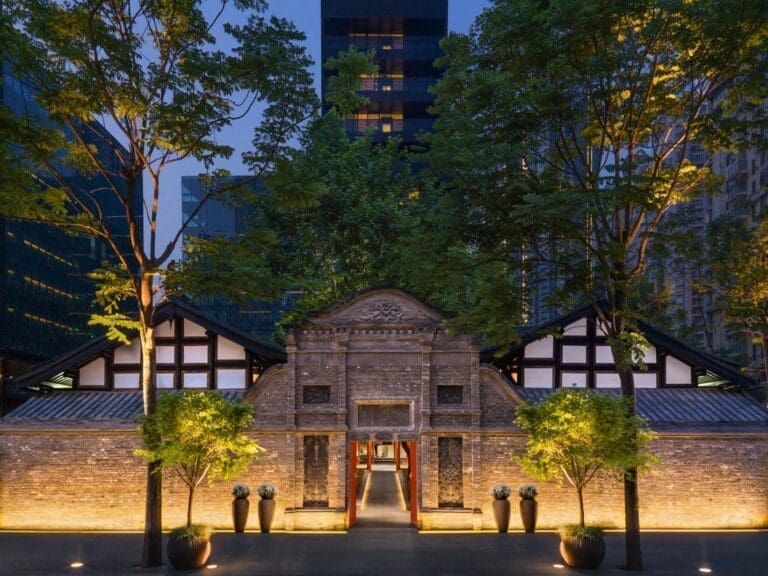
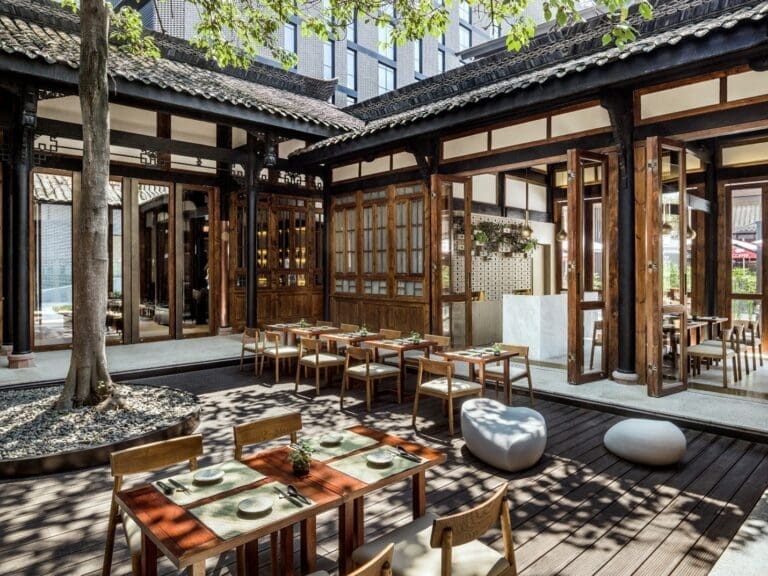
Kronast: The Temple House is a captivating blend of Chengdu’s rich heritage and contemporary elegance. Tucked behind a restored Qing Dynasty courtyard, guests are welcomed by a cinematic entry of softly glowing lanterns suspended above a stone pathway. A hidden library – once home to Qing scholars – adds a poetic touch to the setting. Swim beneath skylights in a pool inspired by Sichuan’s terraced landscapes or unwind with a bamboo massage at Mi Xun Spa.
Can you provide a story of how your team made a guest feel at home?
Snaith-Lense: For our Director of Guest Experience, Edward Tang, guest connections often evolve into lasting friendships – like the one he’s nurtured with an Australian couple for more than 15 years. They have maintained their friendship through regular emails and handwritten Christmas cards exchanged every year. When Edward learned his guest had fallen ill back home, he didn’t just send well-wishes; he flew to Melbourne with his family for a heartfelt visit. Knowing how much his friend cherished our signature ginger verbena scent, Edward brought along a bottle of our room spray, instantly transporting them back to The House. It’s these quiet, personal moments that mean the most – not just to our guests, but to our team as well.
Dumonceaux: Previously, a sister House referred a regular guest based in Dubai to stay with us for their first time in Shanghai. Mia, our Assistant Director of Guest Experience, arranged pre-stay communication and organized airport pick-up. Upon the family’s arrival, Mia immediately connected with them and took care of their needs throughout their stay. The parents were so impressed with Mia that they expressed a desire to see their son learn Chinese one day. Mia offered to teach the boy free of charge over video call, and over the past 6-7 months, she has provided more than 80 lessons (up to three times a week). She even rerouted her flights to stopover in Dubai and visit the family. This support between Houses has demonstrated that an opportunity to host can also foster a lasting friendship.
Kronast: For two guests who came to stay with us as a romantic getaway, the team had fun brainstorming and getting creative to surprise them every single evening when they returned to their room after an exciting day out. Knowing that the guests are big fans of pandas, we welcomed them ‘home’ with panda plushies costumed and posed to tell a story based on their day. As one of them is in fact an actor and martial artist, we had a panda dressed up as a movie star and Kung Fu Panda. The next day when the two of them had planned a particularly romantic meal, they returned to find a pair of pandas in love. And after indulging in our Mi Xun Spa experience, they found the pandas also had not missed out; they too had their full spa outfits ready! What was most touching of all was the last day when the guests surprised us instead. They left us with baby panda plushies as a thank-you gift, saying it was the ‘babies’ of our House pandas. This story perfectly shows how we treat our guests like family, creating relationships that go both ways.
The heart of anyone’s house is the kitchen. How do you tell the story of the area’s history and culture through your food and beverage programs?
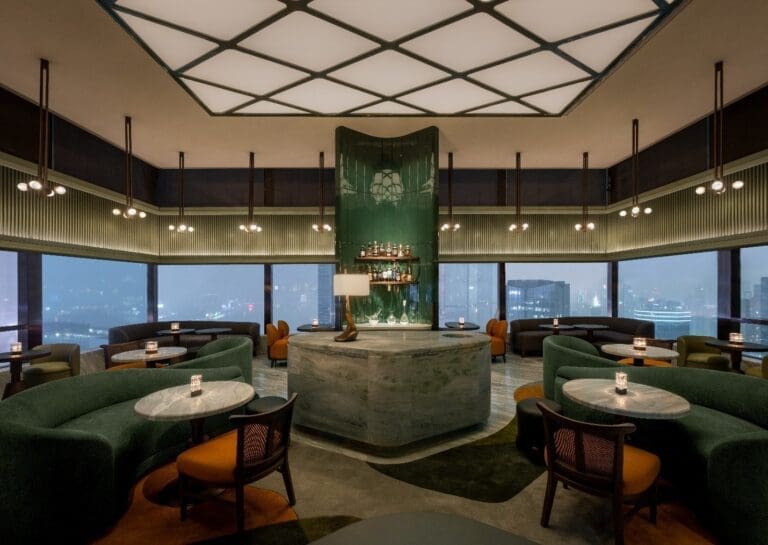
Snaith-Lense: Located on the 49th floor with incredible skyline views, our signature restaurant, Salisterra, is a stylish yet laidback spot designed by André Fu. Led by Chef Ricardo Chaneton, the menu showcases his Italian roots, with vibrant Mediterranean flavors from Spain, Italy, France and Greece – a local favorite that’s quickly become a go-to! While our focus is on Mediterranean fare, we also offer select Chinese dishes that are particularly popular with visitors, including our signature Chinese breakfast featuring abalone congee, har gow, pork buns, stir-fried noodles and more. Adjacent to the restaurant, our new Green Room bar focuses on crafted cocktails that are deceptively simple, and features our House Gin, crafted with locally inspired botanicals such as cedar, magnolia, bamboo and chrysanthemum.
Dumonceaux: To you a sense of the culinary fare, MICHELIN-selected restaurant Sui Tang Li reinterprets Shanghai classic cuisine through inventive dim sum and bold regional flavors, while its hidden cocktail lounge, Sui Tang Shang, crafts drinks inspired by the five Chinese elements – each one designed to evoke harmony and balance. Frasca is a modern Italian trattoria where house-made pastas, wood-grilled dishes, and a curated selection of regional wines come together in a warm, convivial setting.
Kronast: At our House, each culinary concept tells a story rooted in Chengdu’s rich gastronomic heritage, renowned for its bold, spicy flavors. Mi Xun Teahouse, proudly awarded Chengdu’s only Michelin Green Star, serves an entirely plant-based menu that reimagines traditional Chinese dishes through a contemporary, sustainable lens collaborating with WWF to support wild panda habitats. At Jing Bar – a Jazz Age-inspired hideaway – expert mixologists shake up inventive cocktails that fuse local ingredients with international flair, making it a favorite among Chengdu’s stylish set.
With the extended visa to China now heralding the arrival of more foreign travelers, what programs has your team put in place to allow guests to discover the more exceptional aspects of the surrounding city?
Snaith-Lense: With the influx of travelers returning to Hong Kong, we’ve designed a range of distinctive experiences that invite guests to explore the city beyond the typical tourist trail. From private art gallery visits to scenic hikes around The Peak, every moment is thoughtfully curated. Our expert Guest Experience team, featuring the ever-popular ‘Leo the Local’, is on hand to craft bespoke itineraries tailored to each guest’s passions and interests.
Dumonceaux: As international travel to Shanghai continues to grow, we’ve crafted a collection of immersive experiences that invite guests to uncover the city’s layered history and dynamic culture. From private boat cruises along The Bund to dim sum tastings featuring Shanghai’s iconic soup dumplings or curated shopping experiences, each experience is designed to go beyond the typical tourist trail.
Kronast: To offer guests a truly immersive introduction to Chengdu, we’ve curated a series of experiences that celebrate the city’s rich historical character and vibrant street culture. From private tours of ancient temples to exclusive visits to nearby panda sanctuaries, each experience is thoughtfully crafted to capture the authentic spirit of Chengdu and create lasting memories.