Laying the Foundation: Lessons From Our Early Days
When Bill Scanlon founded Strategic Solution Partners (SSP) in 2007 and I joined him a year later, going remote was not a deliberate, strategic move. It was simply how we chose to work. We were both burned out from the corporate world and craved more balance. We wanted to build something with purpose, made up of like-minded people, and that meant “expanding our horizons,” quite literally. Hiring people to work remotely was a no-brainer for us.
Back then, remote work was not seen as legitimate. People believed that unless you had a brick-and-mortar office, with a receptionist and a place people could visit, you were not a real company. I look back and I appreciate what mavericks we were back then—we were ahead of our time, both in our belief in the task force model for hospitality staffing and in our choice to do it all remotely.
One of the best things Bill and I did was run every part of the business ourselves for almost two years. We were a startup, so that was not unusual, but we were intentional about it. It gave us time to decide what kind of company we wanted to build, how we wanted to be different, and how to create a culture that would support both our consultants and our clients.

How We Structure a Fully Remote Hospitality Team
Today, we have seven distinct disciplines that make SSP function successfully, and each is led by someone strong and capable. Each leader has a team they coach and nurture. Our process flows help everyone understand how their department fits into the bigger picture and how interconnected we all are.
Every role comes with a clear scope of work outlining tasks, responsibilities, and KPIs. Once a year, the leadership team meets in person to review our structure, critique our performance, and adapt to support our growth. We remind ourselves regularly: what got us here will not get us there.
Hiring for Fit and Performance in a Remote Model
We have learned that hiring the right people is everything. Beyond skills and experience, we look for:
- Culture fit, the right attitude and demeanor
- Tech-savviness
- Strong communication skills
- Results-oriented
- Remote work experience and a home office setup
- A proven track record as a self-starter
- A desire to work differently, with purpose
We are selective for a reason: our people shape our environment just as much as our processes do.
The Tech Stack That Keeps Us Running
A fast, reliable internet connection and an up-to-date computer setup are essential. Cybersecurity matters deeply to us. We also use time-tracking and productivity-monitoring tools, which are critical in a remote environment.
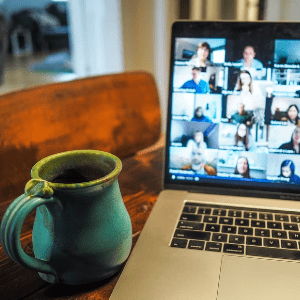
We have embraced AI in ways that help—not hinder—human connection. For example, we use AI to take notes during video calls so we can focus 100% on the people and the dialogue. Nothing replaces in-person interaction. However, the right hires work their magic to sustain the human connection that is possible through technology.
We once tried implementing a project management tool across all departments. It did not work as intended, so instead of giving it up, we refined how we use it. Now one person leads project tracking, and it works much more effectively.
Productivity Without Micromanagement
Productivity does not require constant meetings. It requires clarity.
When we bring someone new on board, we take the time to explain how our company runs, what their role is, and what success looks like. Every team member understands their KPIs and how their work contributes to the larger picture. That foundation of clarity is what enables accountability and independence.
When expectations are well defined, productivity happens without the need for micromanagement.
How We Measure Success
We measure business performance, of course, but also team morale and engagement. Our Business Analyst has helped us define KPIs across disciplines so we can track productivity. For revenue and profit, we rely on accurate financial reporting.
But just as important is our culture. We made a key decision early on to hire a Culture Lead to guard and grow our culture, and she is very dialed in here—monitoring team engagement and watching closely for signs of unwanted turnover. When people enjoy their work, understand expectations, and feel supported, they stick around and give their best.
Is Remote Hospitality Sustainable?
We have been fully remote for 18 years, and we are not planning to change. That alone speaks volumes. Remote models may not be right for every organization or every role, but they are absolutely sustainable when built with intention.
The biggest barrier is mindset. Just because something has not been done before does not mean it cannot be done in the future. Technology and AI are shifting what is possible in hospitality. At SSP, we constantly challenge ourselves to keep an open mind and try new things. That is how we have grown, and how we will continue to thrive.